


.webp)
If you haven't already prepared, now is the time to make sure your hurricane preparations are ready to go! In total, experts predict anywhere from two to five tropical storms or cyclones for the Central Pacific hurricane season 2022. Preparing for a hurricane or tropical storm doesn't have to be stressful. Here are a few things you need to know.
1. Create an Emergency Evacuation Plan
**NOTE. Most shelters in Hawaii are not equipped to provide meals, beds, or emergency care. You must bring food, clothing, bedding, and special items with you. Pets are not allowed in shelters. Contact your local humane society or vet for information on how to care for pets and livestock in a disaster.
2. Create a Hunker-Down Emergency Plan
First of all, an important safety note: If you're under a mandatory evacuation, please heed those warnings! If you are not under a mandatory evacuation order and you are hunkering down, now is the time to really start putting your plans into play.
- Review your emergency plan with your family so everyone knows exactly what is expected of them.
- Purchase or start making ice. You'll need this to keep your food cold if you lose power.
- Fuel up the cars and extra gas cans. Don't wait until the last minute to fuel up. You may find that gas stations are either out of gas or are closed.
- Withdraw cash. If the power goes out, the few stores that are open after the storm will likely only accept cash, and the ATM machines will not be operational.
- Start clearing the yard of potential projectiles; e.g., patio tables and chairs, flags and poles, empty plant pots, etc.
- Put up your hurricane shutters.
- Purchase perishables, such as meat and milk, and freeze them.
- Secure valuables and important papers in watertight bags. Safety deposit boxes at the bank are a good choice though you still have with you a copy of your insurance papers; e.g., homeowners or renters, automobile (boat, RV, motorcycle, etc), and of course, health insurance.
- Protect items inside your home. If you think you might be vulnerable to water damage inside your home, protect valuable furnishings or decor. Wrap paintings and photographs in plastic bags secured with duct tape.
3. Prepare the Exterior of the Home
On the property, anything not firmly attached to the ground may become a projectile during a hurricane. Before a storm, homeowners may want to remove or secure these everyday outdoor items.
Regularly throughout the year, homeowners should set reminders to inspect their landscaping for signs that trees and bushes may fall during a storm. They can prune back weak branches and trim bushes to keep them under control. Loose fence posts or decking may need additional support from concrete with enough time for it to cure before the storm. Similarly, homeowners may want to perform a basic inspection of the home exterior to clean gutters or patch the foundation as needed. Minimizing loose ground cover and using bark mulch can reduce damage if the wind shifts it.
4. Gather Emergency Supplies
Hurricane Kits
Stock your emergency preparedness kit with enough food and water for at least 14 days. Some recommended items to include are:

- Non-perishable food (enough to last at least 3 days)
- Water (enough to last at least 3 days)
- First-aid kit (include any prescription medication you may need)
- Personal hygiene items and sanitation items
- Flashlights (have extra batteries on hand)
- Battery operated radio (again, have extra batteries)
- Waterproof container with cash and important documents
- Manual can opener
- Lighter or matches
- Books, magazines, games for recreation
- Special needs items: pet supplies and baby supplies if applicable
- Cooler and ice packs
- A plan for evacuation and for if family members are separated
**The Hawaii Emergency Management Agency is now recommending residents prepare an emergency kit that should include hand sanitizer and face masks.
SUGGESTIONS, REMINDERS & KNOWLEDGE

Preparation Is Key
Preparation is always key—checking every box on the hurricane preparedness list and making sure we have everything on the hurricane supplies list. Doing so provides a bit of peace of mind and could keep you safe should the catastrophic happen in your area.
- Store your kit in a convenient place known to all family members. Keep a smaller version of the Disaster Supplies Kit in the trunk of your car.
- Keep items in air tight plastic bags.
- Change stored water supply every six months so it stays fresh.
- Rotate stored food every six months.
- Re – think supply kit and family needs at least once a year. Replace batteries, update clothing, etc.
- Ask your physician or pharmacist about storing prescription medications.
-
Water
Water is essential to sustaining life and is an important part of your emergency preparedness kit. General guidance is for people to store one gallon of water per person, per day for at least 14 days. This can be done by storing cases of water in a cool, dry place or by storing your own tap water. The Honolulu Board of Water Supply demonstrates proper water storage techniques in this YouTube video:
Hurricane Knowledge: Know Your Terms
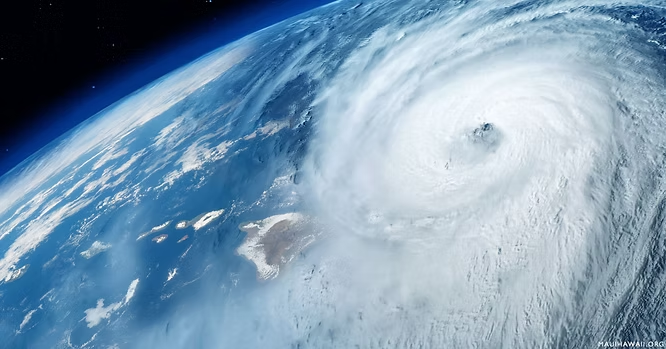
Tropical Depressions are cyclones with winds of 38 mph. Tropical Storms vary in wind speeds from 39-73 mph while Hurricanes have winds 74 mph and greater. Typically the upper right quadrant of the storm (the center wrapping around the eye) is the most intense portion of the storm. The greatest threats are damaging winds, storm surge and flooding.
Here are some important terms you may hear:
- Tropical Storm Watch: Tropical storm conditions are possible in the area.
- Hurricane Watch: Hurricane conditions are possible in the area.
Watches are issued 48 hours in advance of the anticipated onset of tropical storm force winds. - Tropical Storm Warning: Tropical storm conditions are expected in the area.
- Hurricane Warning: Hurricane conditions are expected in the area.
Warnings are issued 36 hours in advance of tropical storm force winds. - Eye: Clear, sometimes well-defined center of the storm with calmer conditions.
- Eye Wall: Surrounding the eye, contains some of the most severe weather of the storm with the highest wind speed and largest precipitation.
- Rain Bands: Bands coming off the cyclone that produce severe weather conditions such as heavy rain, wind and tornadoes.
- Storm Surge: An often underestimated and deadly result of ocean water swelling as a result of a landfalling storm, and quickly flooding coastal and sometimes areas further inland.
...And last but not least, consider:
Hurricane Flood Protection
Although usually covered by homeowners insurance, wind-related hurricane damage is often excluded from coverage for homeowners in Hawaii. That means if you live in the Aloha State, you may need to purchase separate windstorm or flood insurance to be fully protected against hurricane damage. You can purchase flood insurance through the National Flood Insurance Program (NFIP) — a FEMA-backed organization — or through private flood insurance companies

The hurricane season runs through Nov. 30.
Stay Safe. Be Prepared!
For information on appropriate preparations, visit ready.gov.
Other useful links:
- NOAA Central Pacific Hurricane Center
- Hawaii State Civil Defense Preparation Plan
- Hawaii Hurricane Evacuation Shelter Map